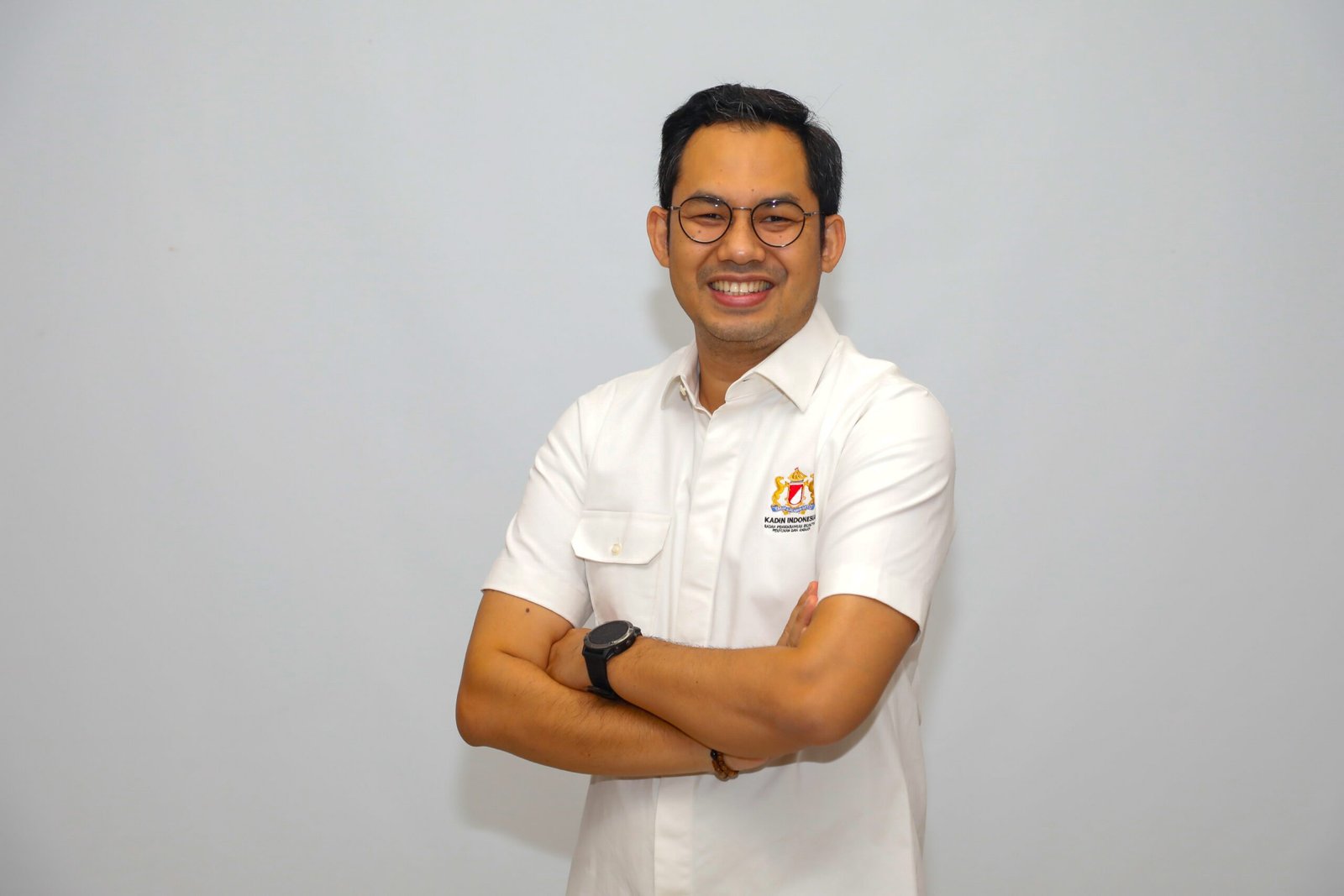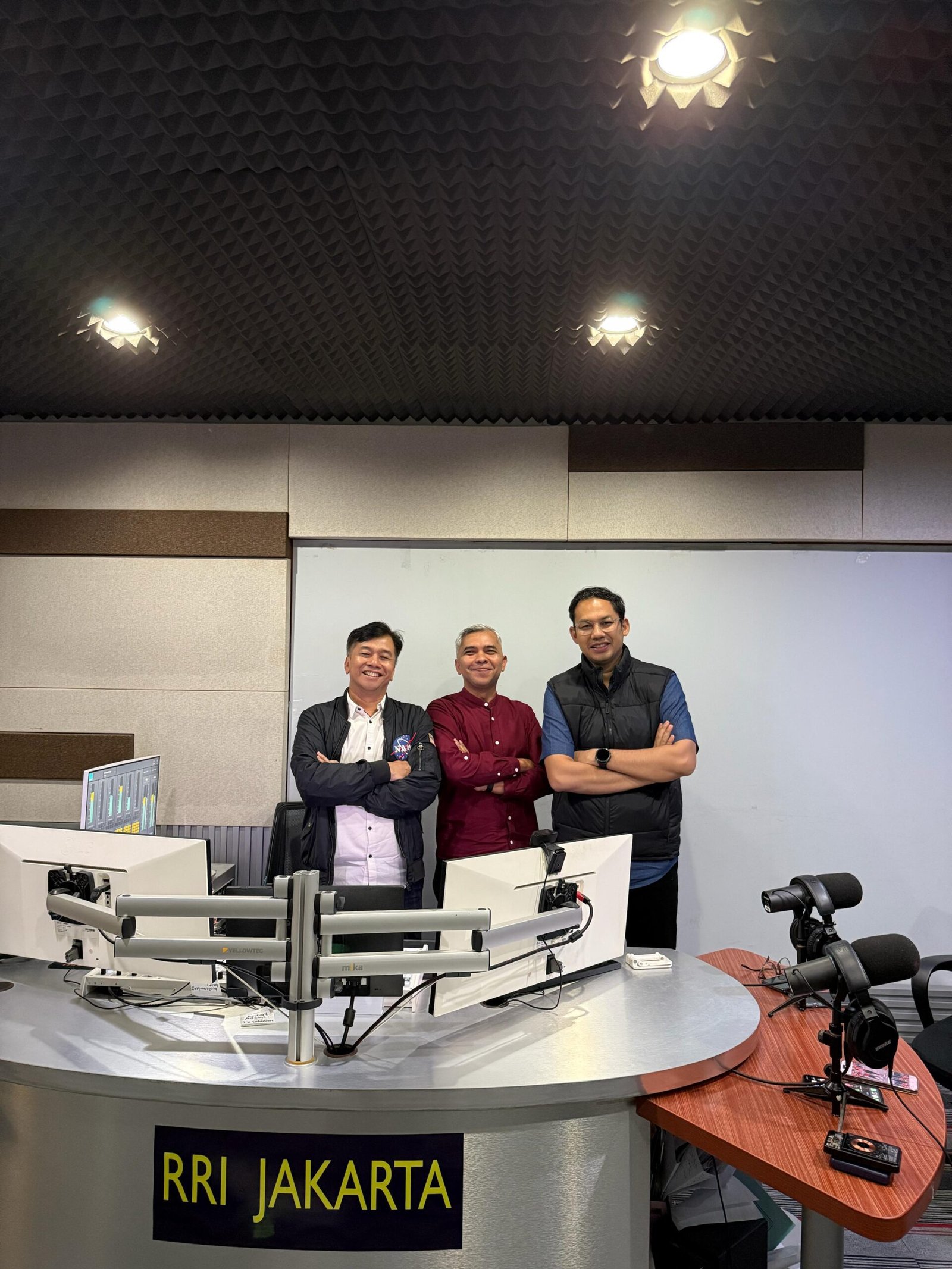
Jakarta (26/5) – In an effort to strengthen information inclusion for vulnerable groups, LPP RRI held a talk show on radio films for people with disabilities, together with a screening of Suli Story Board, broadcast live through Radio Republik Indonesia. The event featured Rahayu Saraswati, Deputy Chair of Commission VII of the House of Representatives; Yuliandre Darwis as a media observer; and Amin Shabana, Commissioner of the Central KPI, who discussed the importance of fair, disability-friendly access to information.
According to Yuliandre Darwis, who served as Chair and Commissioner of the Indonesian Broadcasting Commission (KPI) from 2016 to 2023, the mass media, and broadcasters in particular, bear a great responsibility not only to convey information neutrally and factually but also to reach every part of society, including the disability community, which has long been marginalised from mainstream public communication.
“The issue of disability is not only about representation on screen. What matters more is how the media can transform itself into a channel of information that is technically inclusive and editorially empathetic,” said Yuliandre Darwis.
The talk show discussed the many obstacles that people with disabilities still face in accessing news, including the lack of subtitles in video programmes, the shortage of sign-language broadcasting, and the limited amount of structured audio content for blind and visually impaired people. Online media were also considered still not optimal in providing interfaces compatible with screen-reader technology.
“The media should not only inform, but also give people space to be heard. When the disability community can be producers of information, not just consumers, that is where media inclusion becomes real,” added Rahayu Saraswati, Deputy Chair of Commission VII of the House of Representatives.
It is hoped that this event will help bring strategic social issues from the government, institutions and the communities themselves into the public sphere, while encouraging community participation in building a fair and participatory information culture.