Recently, in a number of places in Indonesia, an unusual sight has appeared: the Jolly Roger flag from the One Piece series flying over homes, coffee stalls and even vehicle convoys. At first, the public took it to be simply an expression of fandom. On closer inspection, however, some of those flying the flag turn out to have a more serious intention: to protest against the government.
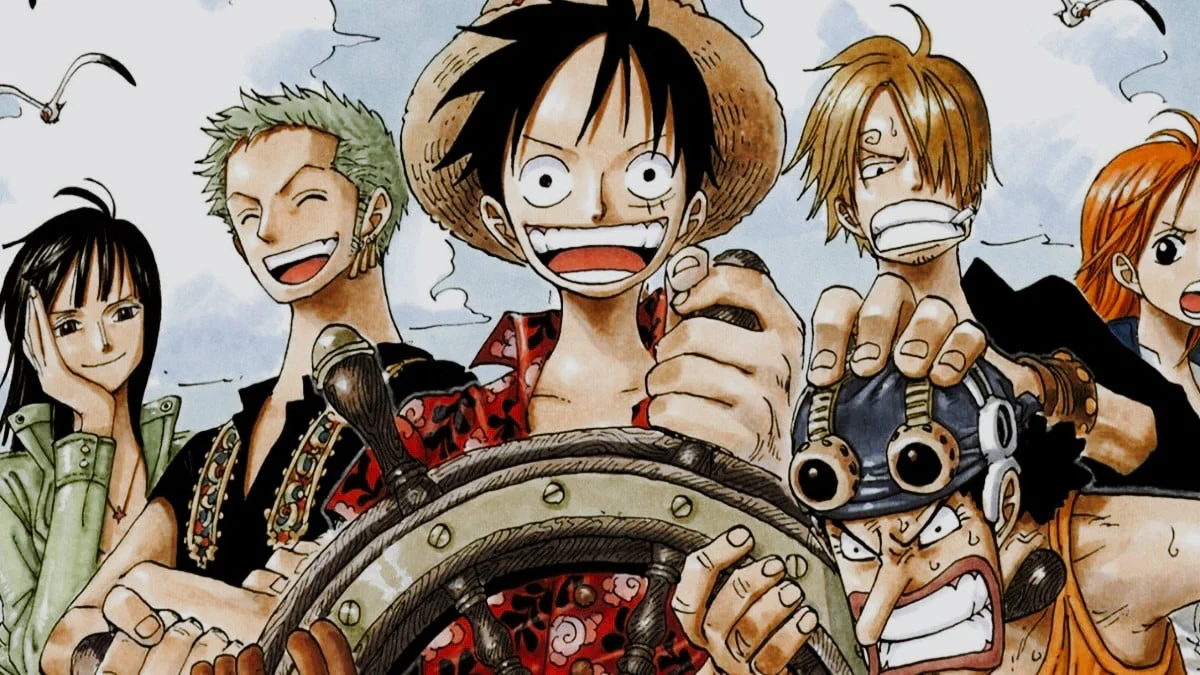
From a communication perspective, this phenomenon is a clear example of symbolic communication. In Herbert Blumer’s theory of symbolic interactionism, the meaning of a symbol is born of social agreement. For One Piece fans, the Straw Hat pirate flag stands for freedom, courage, friendship and resistance to injustice. These values, which are strong within the story, are now being recontextualised as socio-political messages in the real world.
In the One Piece narrative, pirates are not merely plunderers of the sea. They are often portrayed as those who oppose corrupt authority, fight for freedom and protect the weak. So when this flag is raised by people who are anxious about government policy or the condition of the country, it becomes a visual code of resistance: legally safe, yet clear in meaning to those who understand it.
The phenomenon can be read through James C. Scott’s concept of the hidden transcript, which explains that powerless groups often use veiled symbols or language to criticise those in power. Flying the One Piece flag is a way of saying “we are not satisfied” without spelling it out. In an era when direct protest can carry social and legal risk, a fictional symbol becomes an effective shield.
However, the power of symbolic communication also carries risks. Symbols are polysemic: a single image can carry many meanings for different audiences. Some see it as an expression of a hobby, some regard it as a form of rebellion, and some feel it demeans the official symbols of the state if it is flown beside them. In the context of public communication, these differences in interpretation can trigger friction and debate.
From a psychological standpoint, the choice to use a pop-culture symbol to protest shows two things. First, people are looking for a safe, socially acceptable language in which to express disappointment. Second, there is an emotional need to connect with a narrative that offers hope: in this case, the story of a small group standing against a great power for the sake of justice. One Piece provides that narrative in a form that is captivating, emotional and easily recognised across generations.
For anyone working in communication, this is an important moment to read the pulse of the people’s aspirations. If a fictional flag can become a channel for aspiration, it means that formal channels of communication may no longer be seen as effective or safe. The government and policymakers need to realise that every viral symbol has roots in genuine collective feeling, whether joy, pride or disappointment.
The One Piece flag flying in the wind may look like nothing more than a piece of cloth with a smiling skull. But for some people it is a reminder: some are demanding freedom, some want to resist injustice, and some hope that one day the real world can be as pure as the solidarity of the Straw Hat crew.
In this fast-moving age of visual communication, protest does not always come through banners and speeches. Sometimes it sails under a fictional pirate flag, quietly but full of meaning.